
The AI-native layer for proactive hospitality ops
Inventory tracking, demand forecasting, and automated ordering for back-of-house hotel & service operations.
Inventory is where the labor shortage and the financial hit intersect. Every missed count is a stockout. Every stockout is an emergency order. Every emergency order costs more than it should.
Less staff shouldn't mean more guesswork.
70-80%
Annual staff turnover rate
Hotels and restaurants lose the majority of their team every year — nearly double the national average across all industries.
Hotel Business / BLS, 2025
$5,864
Cost per replacement hire
Every employee who walks out the door costs over $5,000 in recruiting, onboarding, and lost productivity before day one.
OysterLink / Cornell CHS, 2025
80%+
Still managing inventory manually
More than 8 in 10 properties run on pen, paper, and spreadsheets — slow, error-prone, and invisible until something runs out.
BarBrain GmbH survey, 1,000+ hospitality businesses (restaurants, bars, cafés, hotels)
50%
Of revenue goes to inventory costs
Inventory is the single largest controllable cost on the P&L and most operators are flying blind on what's actually driving it.
MarketMan, Toast, National Restaurant Association benchmarks
What we’re building to fix this.
Hestia automates your entire inventory cycle — learning your guest patterns, predicting what you'll need, and sourcing it at the best price. Your team stops reacting. Your margins stop shrinking. You stop thinking about it.

Our Team
Harvard-educated, McKinsey and Accenture-trained, and a conviction, fostered from experience in hospitality, that the back-of-house has been an afterthought for too long.
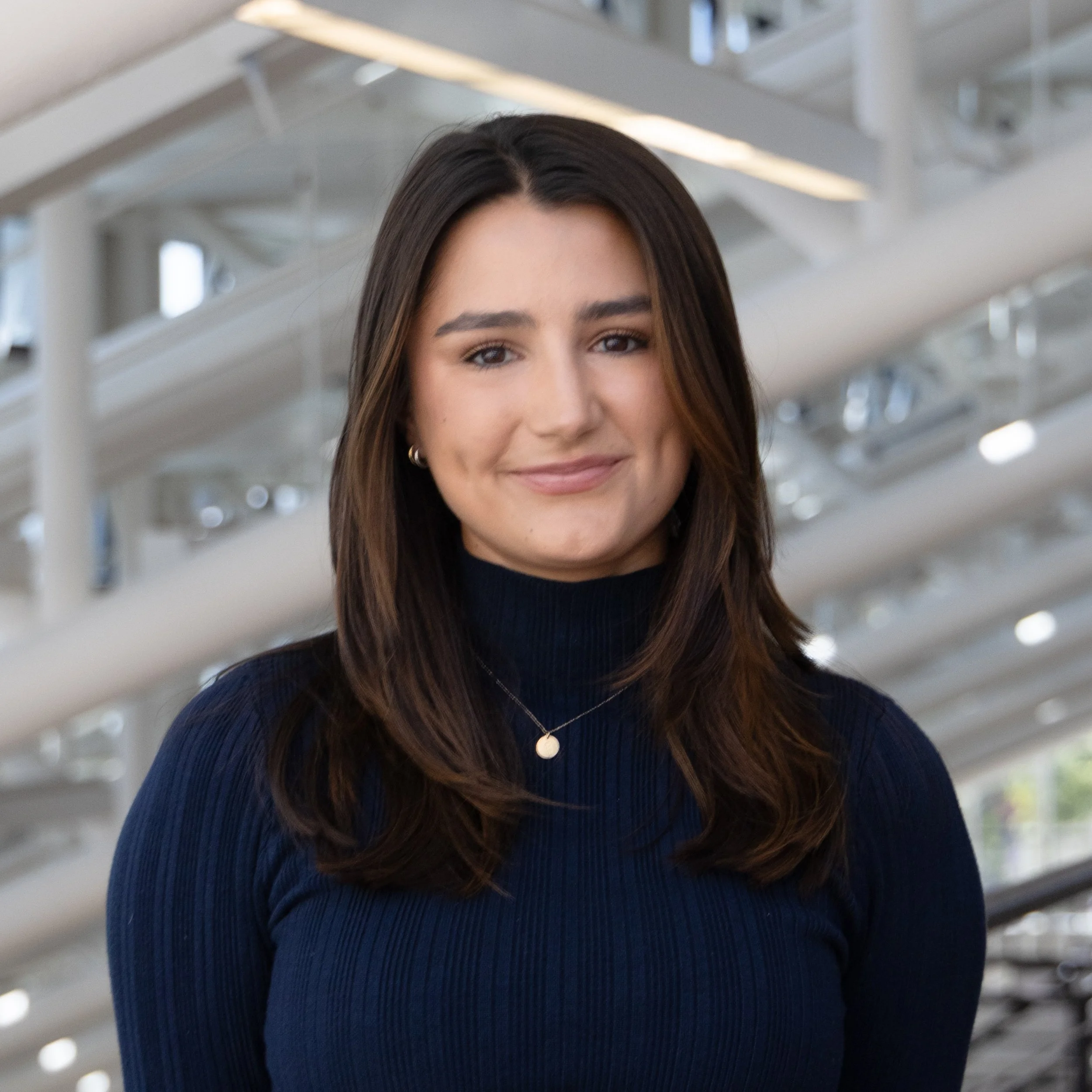
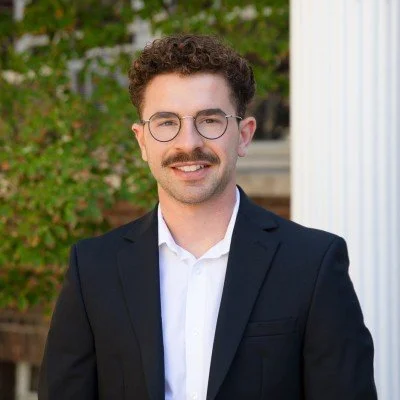
Cleo and Andrew have both worked in hospitality — Cleo as a full-time waitress, Andrew as a barista and line cook — and share a deep appreciation for the service workers whose effort is the invisible engine behind every great guest experience. That time on the restaurant floor gave them a genuine respect for back-of-house labor and a conviction that the people doing this work deserve far better tools and recognition than they typically get.
Before Harvard, Andrew developed his strategic and operational instincts at McKinsey, diagnosing organizational inefficiencies and building scalable solutions across industries. Cleo spent three years at Accenture designing and implementing enterprise technology solutions for Fortune 500 clients, learning to bridge engineering, design, and business in complex, regulated environments.
Both are completing their Master's in Design Engineering at Harvard University (Graduate School of Design + School of Engineering and Applied Science, Class of 2027), one of the few programs in the world that trains innovators spanning engineering, AI, design, and user experience. It is precisely the kind of training that Hestia demands: a product that lives in the physical world of hotel floors and linen carts, runs on intelligent software, and must be intuitive enough for a first-week employee to use without friction.
In a space where most solutions are built for managers, Cleo and Andrew are building for the people doing the work — with the business fluency, technical depth, and genuine empathy to do it right.
Subscribe To Our Hospitality Innovation Newsletter:

The Daily Turn
A look at how technology is affecting the hospitality sector and how hospitality can keep technology human.
By subscribing, you agree to Substack's Terms of Use, and acknowledge its Privacy Policy and Information Collection Notice.